As we continue to move toward our nation’s semiquincentennial, I’m still focusing on elements of the Revolutionary War effort of attaining independence and the related contributions and connections of families of the Fork, the Knox County lands between the French Broad and Holston Rivers.
We’ve already established that colonists who didn’t want to separate from the British government were called “Tories” or “Loyalists,” those who maintained allegiance to the crown. So, what do we know about those who lived among our frontier Patriots?
In 1777, when the general assembly of North Carolina formed the Washington District, encompassing what is now Tennessee, all a man had to do was pay forty shillings (about 2 British pounds or the equivalent of $500 today) per hundred acres to the land office in order to broaden his horizon. Each head of household was allowed 640 acres (one square mile) for himself, another 100 acres each for his wife and each child, and those Overmountain Men already living on such claims had until January 1779 to pay it. Anything above those quantities costs 5 pounds per hundred acres. It was a great deal for anyone who otherwise didn’t have much.
According to historian Dr. J.G.M. Ramsey, hopeful settlers came in droves on the paths previously worn by hunters and traders, often with a single pack horse carrying the mother, the smallest of children, and some supplies, while the older ones and father walked carrying tools and toddlers. Wagon roads over the mountains from North Carolina didn’t exist.
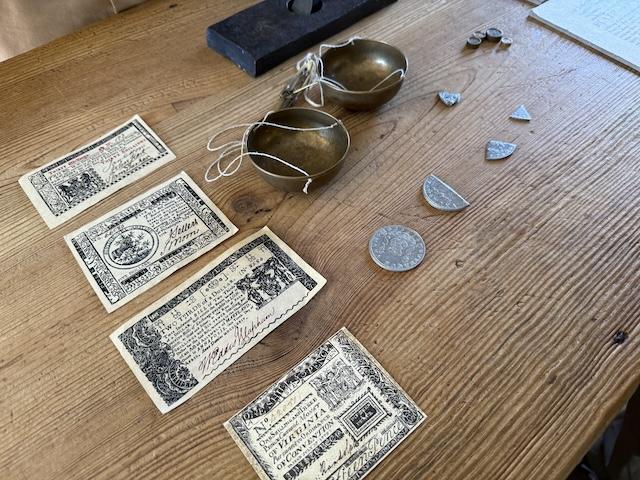
Example of Revolutionary War period currency
As the battles of the Revolutionary War moved westward, many Patriot militiamen were engaged in the Southern Campaign, primarily from 1778 to 1781, inadvertently driving Tories and lawless men toward the fledgling settlements, which were left without much protection. Thieves and violent opportunists took advantage of the situation.
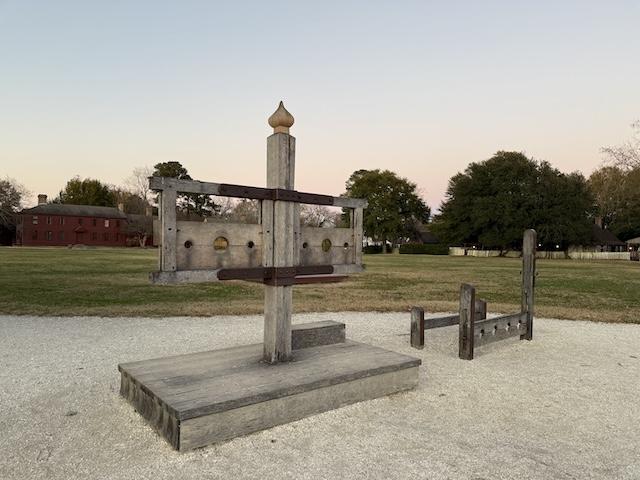
A Committee of Safety, consisting of two companies of about 30 men each, was empowered to patrol the district and exact justice through fines, imprisonment, confiscation of property, corporal punishment, and, if deemed necessary, through shooting or hanging. In his summary of these times, Ramsey stated, “the Tories were hunted up and punished or driven from amongst them….”
Who were they? Their names have been forgotten in the Fork.
Jan Loveday Dickens is an educator, historian, and author of Forgotten in the Fork, a book about the Knox County lands between the French Broad and Holston Rivers, obtainable by emailing ForgottenInTheFork@gmail.com.
Follow KnoxTNToday on Facebook and Instagram. Get all KnoxTNToday articles in one place with our Free Newsletter.



Looks like an interesting way to leave that revolutionary CHANGE on the table!
Interesting way interesting way to make revolutionary change explanation