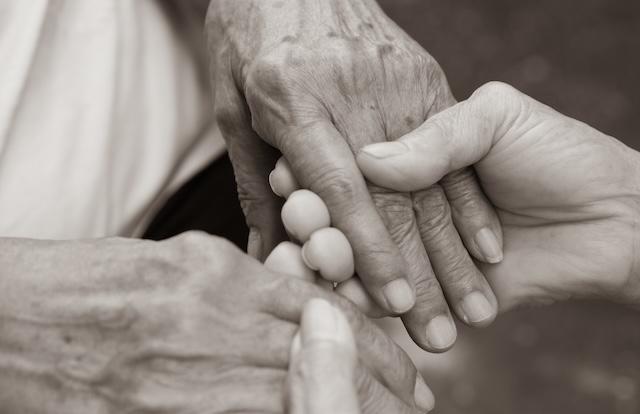
Elder Abuse Awareness Month occurs in June every year, and East Tennessee nonprofit Senior Citizens Home Assistance Service (SCHAS) has shared examples and warning signs, including physical, sexual, emotional, and financial abuse.
The Tennessee Department of Disability and Aging estimates more than 5 million seniors are victims of elder abuse in the United States each year, which is more than the combined total of reported child abuse and domestic violence.
“Most people are familiar with obvious signs like physical abuse,” said Amy Blackburn, CEO of SCHAS. “However, other types of abuse may not be as obvious, like emotional, financial, or when an older adult is being neglected or neglecting themselves.”
The following are examples of emotional abuse as defined by the Tennessee Department of Human Services Adult Protective Services (APS):
- Isolating older or vulnerable adults or preventing private visits.
- Preventing older or vulnerable adults from making or receiving phone calls.
- Using threatening, belittling, or controlling behavior toward an older adult.
- An older adult is becoming withdrawn, anxious, or fearful.
Signs or examples of financial abuse or exploitation:
- Sudden changes in an older, vulnerable adult’s financial situation.
- Financial activity that an older or vulnerable adult could not have completed, such as an ATM withdrawal by someone who is bedridden or unable to leave the home.
- Lack of food, disconnected utilities, or poor home upkeep, especially when a family caregiver is assisting the older adult.
- An older adult with dementia, cognitive impairment, or memory loss giving “permission” for a family member or caregiver to withdraw money or use the older adult’s credit card. If situational capacity is in question due to dementia, this is not considered permission.
Signs or examples of sexual abuse of an older adult:
- Frequent genital or urinary tract irritation or infections.
- Bruising on genitals, upper torso, or upper thighs.
- An older, vulnerable adult showing discomfort with a caregiver during bathing, dressing, or bathroom use.
- Little or no privacy while bathing or dressing.
- An older adult with dementia, cognitive impairment, or memory loss giving “consent” to sexual contact. If situational capacity is in question due to dementia, this is not considered consent.
Signs or examples of neglect (including self-neglect):
- Unusual weight loss, malnutrition, or dehydration.
- Untreated health issues, such as bedsores.
- Poor personal hygiene.
- Clothing that is inappropriate for the weather.
- Unsafe living conditions, such as no heat or running water, faulty wiring, fire hazards, dirt, pests, or soiled bedding or clothing.
- Failure to seek needed medical treatment or refusal to allow caregivers to provide necessary care.
Anyone who suspects a vulnerable adult may be a victim of abuse, neglect or self-neglect should notify APS at 1-888-APS-TENN (277-8366).
“Keep in mind that older adults have the right to self-determination and can refuse APS or other assistance unless the older adult has dementia, cognitive impairment, or memory loss, in which case situational capacity may need to be determined,” Blackburn said. “Regardless, the abuse investigation is not voluntary.”
SCHAS provides in-home care services for older adults, veterans, and individuals with disabilities across East Tennessee. The nonprofit is a state-licensed Personal Support Services Agency (PSSA) that provides personal care, assistance with activities of daily living (ADLs), companionship, cooking, cleaning, and respite care for family caregivers.
Information about Senior Citizens Home Assistance Service, Inc. (SCHAS) is available at schas.org/services.
Follow KnoxTNToday on Facebook and Instagram. Get all KnoxTNToday articles in one place with our Free Newsletter. Comments may be sent to news@knoxtntoday.com.