
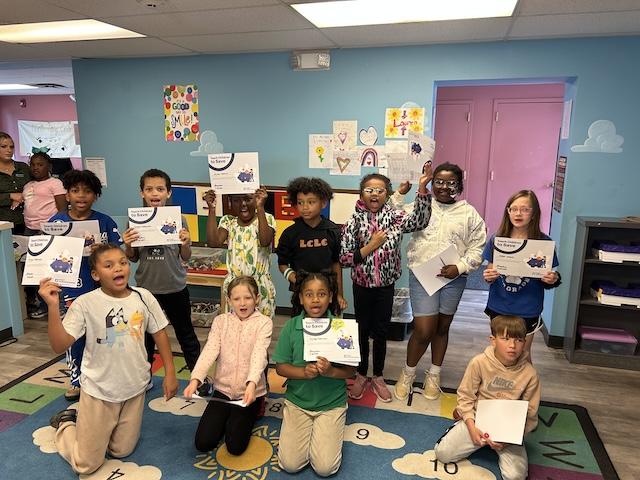
Teach Children to Save Day will be observed on Thursday, April 23. It focuses on helping young people develop strong financial habits early – like learning the importance of saving and making smart money decisions. First Horizon has been supporting area youth organizations in teaching financial literacy for 15 years.
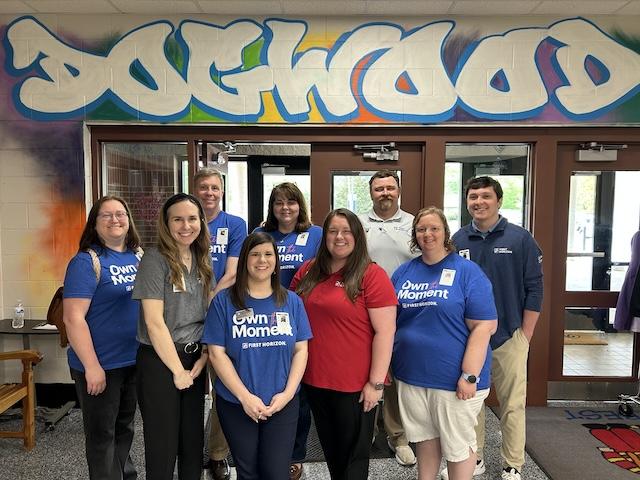
1st Row: Kimber Cato, Alan Kicklighter, Michele Parrott, Aaron Stewart, Baker Whitfield; 2nd Row: Kayla Marler, Ciara Chittum, Astilbe Chandler, Sheri Durand
Parents are a child’s first teachers in money matters. Through everyday actions—like spending, saving, and budgeting—children learn financial habits early on. These lessons shape their skills, attitudes, and confidence in managing money throughout their lives.
First Horizon financial literacy experts answer parents’ questions
Q: What advice would you give parents who want to teach their kids good money habits at home?
A: The best way for parents to teach kids about money is to lead by example and keep the conversation going. Children observe and imitate what they see, so when parents consistently model healthy financial habits – like tracking expenses, saving regularly, sticking to a budget, and giving to others – those behaviors become part of a child’s routine understanding. Using everyday moments is a perfect opportunity to teach: grocery shopping, planning a family outing or making a household purchase. The more you include kids in age-appropriate discussions about spending, saving, and planning, the more comfortable and capable they’ll become when managing money on their own.
- How can parents tailor financial lessons to different age groups?
A: For younger children (ages 3–7), focus on basic concepts like saving a little each week and using a “spend, save, and give” system with jars. This hands-on approach helps kids understand the value of money in a fun, visual way. As children grow into the 8-12 age range, parents can introduce more structured lessons around budgeting and goal-setting. Show them how to manage allowance money by dividing it among spending, saving, and sharing. Help them set goals, like saving for a toy or a video game, and track their progress. Opening a youth savings account is also a great next step. For Generation Z (teens ages 13–18), shift the focus to more advanced financial topics: managing a checking account, understanding credit, and planning for larger expenses such as college or a car. Encourage them to earn their own money through part-time jobs or freelance gigs and involve them in financial decisions at home.
Q: How can parents make learning about money fun for kids?
A: Making learning about money fun is one of the best ways to help them understand and remember important financial concepts. Gamifying money lessons – turning them into challenges or activities – can make a big difference in how well kids understand the topic.
This year, First Horizon is excited to reach more than 500 students across the greater Knoxville area, introducing students to essential financial topics such as setting goals, distinguishing between needs and wants, saving wisely, and creating a simple budget. First Horizon will reach hundreds more through parent support for teaching those valuable lessons.
First Horizon Learning Center will support parents
- Helping Kids Learn Budgeting Using Their Checking Account
- Teaching Kids About Money from Pre-K Through College
- How to Teach Kids About Money – First Horizon Bank
Our First Horizon purpose is delivered through our Core Values and our commitment to Our Community . We are proud to deliver ‘Big bank muscle, small bank hustle’. Contact First Horizon for all your banking needs.