
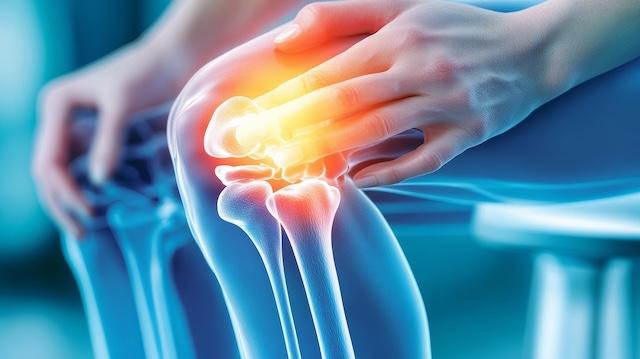
Some of us are getting older (which beats the alternative!), and health issues often affect us, including our aging joints. Things wear out. Rheumatoid Arthritis and osteoarthritis are the most common forms we hear about. Inflammation and swelling are a major cause of the related pain, discomfort and reduced mobility.
Of these two types, osteoarthritis is commonly thought as being more of a result of wear and tear of cartilage and connective tissue, but it, like RA, is also affected by chronic inflammation … and that is the focus of our neighborly chat here. Actually, it goes beyond arthritis. Think of that affliction as the canary in the coal mine.
[Cautionary Note: This lay discussion is no substitute for medical attention. For medical advice, see a doctor]
Background. Our bodies rely on short-term inflammation to fight invaders like germs and viruses, triggering the swelling we get when we get a cut, cold or injury. White blood cells and killer T-cells rush to the site to solve the crisis: to isolate and eliminate the bad actors of infection. That defense reaction is beneficial. But our modern lifestyle, with its fast food and overly-processed food, often limited exercise, coupled with poor sleep, adds another threat: a chronic state of inflammation — one that misinterprets and misdirects the immune system’s focus on our own good cells and organs, triggering discomfort and often fiery autoimmune attacks. Drug store shelves hold stark evidence of our desire for relief. And doctors can prescribe some powerful meds to treat or mitigate the various autoimmune diseases that develop. In addition to arthritis, other diseases like diabetes, chronic dry eye, and heart ailments are related to such chronic assaults.
What can we do? There is a growing body of nutrition research and medical science that suggests we can help turn off that errant immune response spigot by focusing on nurturing and healing our gut biome. There, millions of positive microbes are, or at least should be, at work in our lower intestine to foster good health. The good microbes residing there are responsible for creating some 60-70% of the chemicals our body uses to function. Those microbes are the hidden gears of our immune system, which, among other things, form a cellular barrier to bad chemicals crossing over or leaking into and entering our blood system which cause mischief. The point here is that when the “good bugs” are not properly tended to, they can trigger a chronic state of immune response or inflammation.
How? From the literature I have seen and the nutrition podcasts I have listened to (by zoe.com and others), there are some lifestyle adjustments we can make that can help keep our microbiome healthy, and thus restore a healthy immune response. The obvious ones you already know about from grandma. Try to try get 7 to 8 hours of uninterrupted sleep daily, switch to a more whole food approach (as opposed to fast food and overly-processed food), cut down on the sugary and doughy stuff on your plate, and limit or counter excess stress through exercise (e.g., walking, yoga, meditation), spend some time interacting with a community of people, instead of staring at a computer screen or mindless TV tube.
There is no magic formula. But in many ways the old adage is true: you are what you eat. Start by reading the food packages. If you can’t pronounce the ingredients, don’t eat it. Try to prepare more fresh or frozen veggies. Leafy greens and fibrous fruits are your gut’s friend. Such fiber gets past the acid mill in your tummy and helps coat and protect that lower gut. Eat fruit (like different color berries); add more wholesome herbs and spices to your cooking; and try adding fermented foods to your diet (like yogurt, kraut, kefir, kimchi, etc); control the amount of fatty meat, fried foods, and starchy carbs you eat. Limit fast foods. Sweets? Try a small amount of 70%+ dark chocolate (not sugary goo-goo clusters).
A step further? Consider limiting your eating window to say 8 or 10 hours a day — leaving the rest of the 24 hours for digestion and use (not mass storage) of the resultant glucose fuel you’ve added to the system. And, of course, walk or exercise some each day: movement is your friend. Your heart and arteries will thank you.
I repeat: there is no magic formula. But be more mindful. Help, not hurt, your micro biome. Remember: Your health is you most valuable asset. Protect it.
Nick Della Volpe is a lawyer, a gardener and a former member of Knoxville City Council.
KnoxTNToday’s goal is to inform, uplift and entertain. Send stories or comments to news@knoxtntoday.com.
Follow KnoxTNToday on Facebook and Instagram. Get all KnoxTNToday articles in one place with our Free Newsletter.

