We continue to move toward our nation’s semiquincentennial, and I’m still sharing about the Revolutionary War effort of attaining independence and the related contributions and connections of families of the Fork, the Knox County lands between the French Broad and Holston rivers.
Much like last week’s focus person, Venus, Cato didn’t support the Patriot cause by choice.
As stated in last week’s article, it was common during the colonial period to name an enslaved child the name of a god or goddess or a historical person of significance or power, contrasting the enslaved person’s status. The historical Roman senator Cato was known for being a staunch advocate of liberty.
The Cato who is the subject of this article was another enslaved person originally belonging to John Alexander, who was a Patriot leader in Mecklenburg County, North Carolina, during the Revolution. Cato evidently worked the fields.
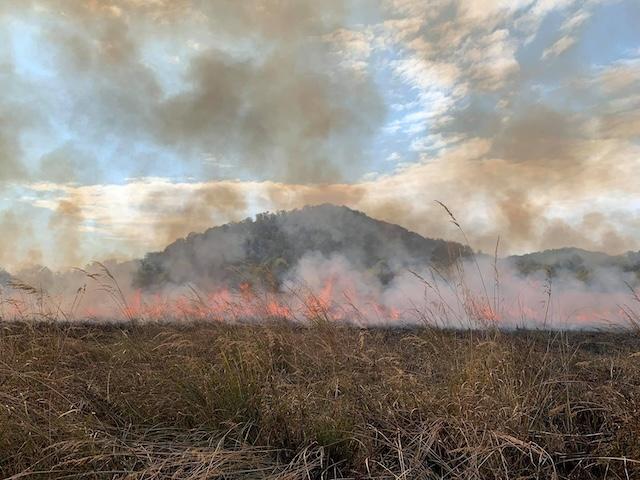
In J.B. Alexander’s book, The History of Mecklenburg County, North Carolina, from 1740 to 1900, we find that when the clash escalated between the Patriots and Loyalists of that area, John Alexander told Cato to burn the fields. John would rather voluntarily forfeit the crops than have them taken by the enemy. In this way, Cato contributed to supporting the Revolution. I wonder how enslaved Cato felt about his role in helping to secure liberty for the Patriots.
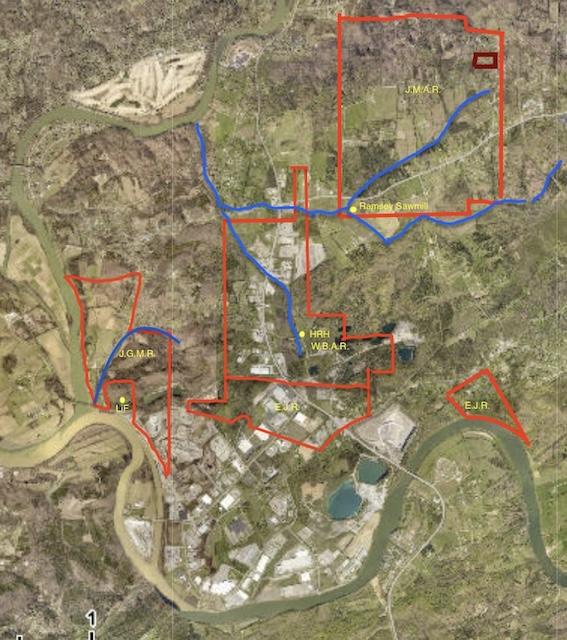
Francis Ramsey Farms
When John Alexander’s daughter Peggy married Francis Ramsey, ownership of Cato was transferred to the newlyweds. After the Revolutionary War ended, Francis and Peggy Ramsey soon moved to the Fork at their new home, which they called Swan Pond. Although the Ramseys ultimately owned more than 2,000 acres, they didn’t have huge crops to cultivate. They were land speculators, renting to tenant farmers who would clear acreage, build a house, and eventually buy it. Cato probably tended to the Ramsey fields on more of a subsistence level, since their enslaved persons were few in number and were mostly females dedicated to domestic labor.
However, Cato’s labor helped to provide his owners the time they spent contributing to the Revolution and the establishment of the local, state and national government. While their enslaved persons toiled at manual labor, the Ramseys were availed of the opportunity to hold official government positions. In that way, Cato involuntarily supported our nation’s founding through his agricultural work.
“Cate” was listed among Francis Ramsey’s six enslaved persons when he made his will in 1816, but we don’t know what became of him after Francis’ estate was settled in 1822. However, because of the writings of Francis and Peggy’s son J.G.M., the Tennessee historian, Cato’s contribution toward the effort to secure liberty for the new nation, be it involuntary, will not be forgotten in the Fork.
Jan Loveday Dickens is an educator, historian, and author of Forgotten in the Fork, a book about the Knox County lands between the French Broad and Holston Rivers, obtainable by emailing ForgottenInTheFork@gmail.com.
Follow KnoxTNToday on Facebook and Instagram. Get all KnoxTNToday articles in one place with our Free Newsletter.

