
The first time I ever saw a bald eagle in the wild was when I was a young child, probably 5 or 6 years old. My family had gone up to Norris Dam on a day they were spilling from the top. The eagle was diving down to the Clinch River, no doubt hoping for an easy fish dinner.
And then, other than at the zoo, I never saw one in the wild for decades. Now I don’t really have to travel anywhere to potentially catch a glimpse of one. They are fairly regularly spotted in Fountain City hunting over the duck pond, and there’s a well-spotted nest along Beaver Creek at the old Powell Airport property. Birds of prey like red-tailed, Cooper’s and red-shouldered hawks are very much a part of our urban and suburban landscape now. They were not when I was a child. I regularly hear the calls of great horned, barred and screech owls in my neighborhood, even if I don’t see them.
Amazing what banning a deleterious pesticide (DDT) can do for wildlife recovery. But that is not the only scourge that has extirpated some species from our state, and, in some cases, from the globe for good. Gone from our forests are the hammerings of the ivory-billed woodpecker and the chirps of Bachman’s warbler and the Carolina parakeet (see story here), driven to extinction by hunting, greed and/or habitat loss.
The Tennessee Wildlife Resources Agency has a list of the birds (see here) most needing conservation efforts across the state. It’s 80 species long. It includes the American black duck, blue winged warbler, chimney swift, least bittern, northern bobwhite, ruffed grouse, sharp-shinned hawk and the whippoorwill. Not all of them are under the same amount of pressure or even listed as endangered. But all are threatened by habitat loss, secondary poisoning, pesticides and other pollutants.
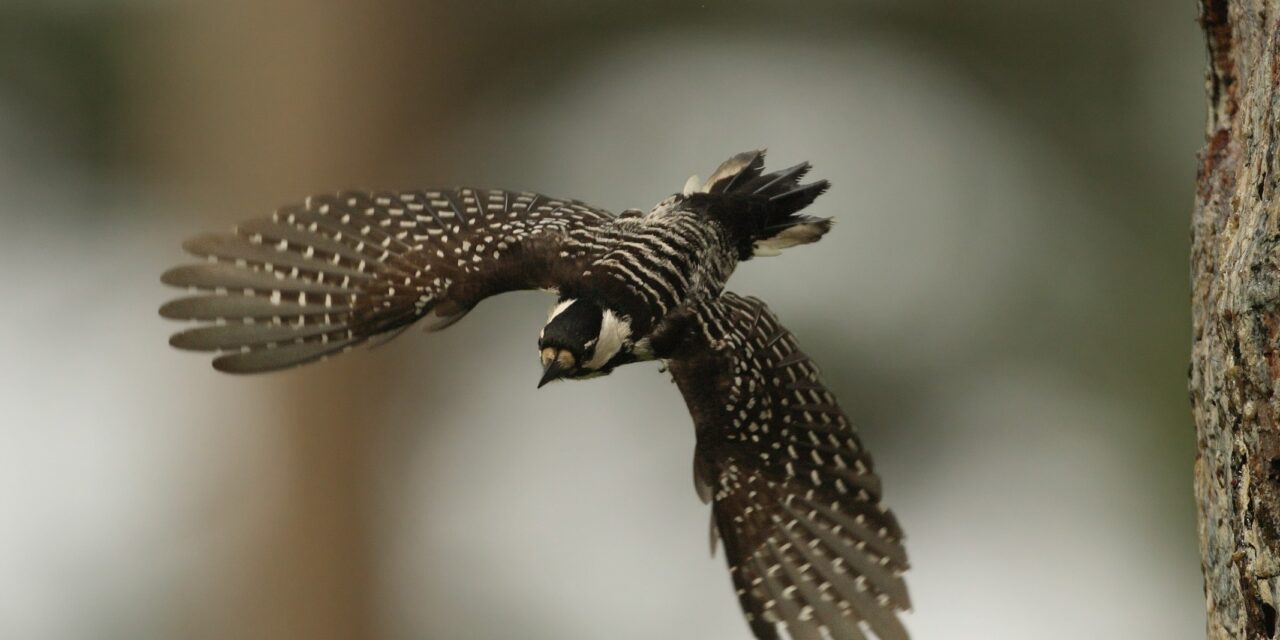
Though not extinct, over 30 years ago the red-cockaded woodpecker disappeared from inside Tennessee’s borders. Last seen here in 1994, this dweller of mature pine forests hit the endangered species list in 1973. A couple of years ago its status was improved from endangered to threatened, with its primary nemesis being habitat loss. Last year, the TWRA announced a reintroduction plan to bring the bird back to the state, beginning with a massive habitat restoration project at Savage Gulf State Natural Area in Grundy and Sequatchie counties. The hope is to begin releasing a new population by 2028.

Bill Keeler
I’m writing about these plucky little birds for two reasons today. For one, you should give more than just a passing care about the wildlife and the natural world around you and endeavor to protect it. The other is to honor one of Fountain City’s much loved birders, Bill Keeler (see my story about him from 2021 here), who passed away on August 5 (see obituary here). I am not going to list everything this good, kind man did here, it’s in the links I posted. But Bill would want you to look out for our fine feathered friends.
Sources: Tennessee Wildlife Resources Agency, Audubon Society, U. S. Fish & Wildlife Service
Beth Kinnane writes a history feature for KnoxTNToday.com. It’s published each Tuesday and is one of our best-read features.
Enjoyed this article? Read more of Beth Kinnane’s stories about the people, places, and history that make our community unique.
Follow KnoxTNToday on Facebook, Instagram, X, and LinkedIn. Get all KnoxTNToday articles in one place with our free newsletter. Comments may be sent to news@knoxtntoday.com.