The trees are once again covered in leaves, and mowing the grass is back on the chore list. Most of us learned in school that plants make their own food from sunlight through a process called photosynthesis. The green color comes from green light reflecting off chloroplasts in plant cells, which are the primary drivers of photosynthesis. Animals then get their energy by eating the plants or by eating other animals that ate the plants.
But did you know that some animals can get energy through photosynthesis as well?
One such animal is the sea slug, Elysia chlorotica. This sea slug can photosynthesize through a process called kleptoplasty. When the slug eats green algae, the chloroplasts are not broken down in digestion. They are instead incorporated into the slug’s own cells. The slug can also transfer some photosynthetic genes from the algae into its own genetic code. These slugs have been known to live as long as nine months without eating, surviving only on the food they produce through photosynthesis.
Other animals have a symbiotic relationship with algae in which the algae remain intact and unharmed, providing food for the host organism. Such animals include certain clams, flatworms, and the only known photosynthetic vertebrate animal, the spotted salamander. Algae colonize newly laid salamander eggs and become incorporated into the developing embryo. Eggs with higher colonization rates have higher survival rates. The salamander is only partially photosynthetic and must still eat to have enough energy.
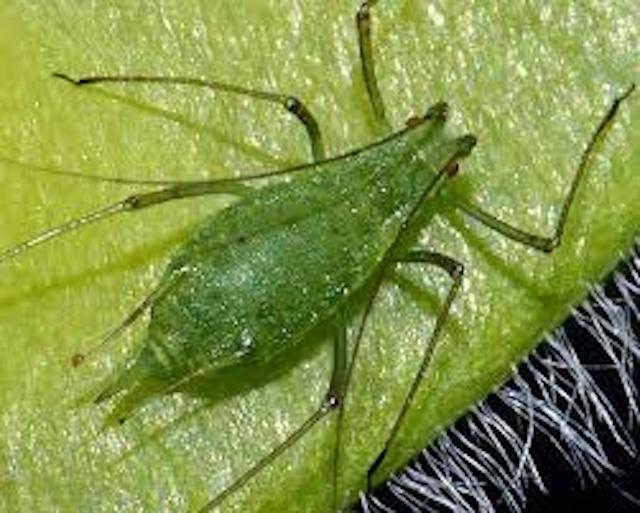
Another animal observed to photosynthesize is the pea aphid. Pea aphids are capable of producing their own carotenoids and chromoplasts, pigments that are used in photosynthesis. These pigments give the aphid its color. Some research suggests they also provide energy to the aphid through photosynthesis.
Not all photosynthesis occurs in chloroplasts and pigments, converting sunlight into chemical energy. Possibly the weirdest photosynthetic animal is the oriental hornet. This hornet converts sunlight not into food but electricity. The yellow band of the hornet contains the pigment xanthoperin. When exposed to light, this pigment generates electricity.
While the idea of basking in the sun to make your own food sounds appealing, these photosynthetic animals are a rarity in the animal kingdom. There may be many more animals engaging in photosynthesis than we currently realize, but for now, all you and I can hope to produce from sunlight is vitamin D.
Crystal Kelly is a feature writer for Bizarre Bytes with those unusual facts that you only need to know for Trivial Pursuit, Jeopardy, or to stump your in-laws.
Follow KnoxTNToday on Facebook and Instagram. Get all KnoxTNToday articles in one place with our Free Newsletter.