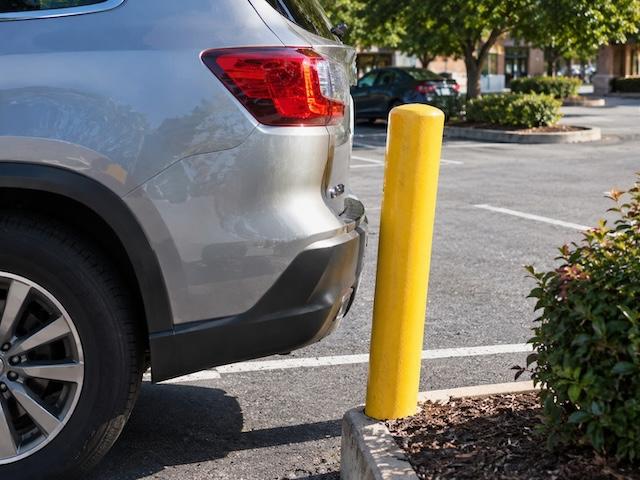
A deer darts across the road. A tree falls during a thunderstorm. Someone backs into your car in a parking lot. Would your auto insurance cover the damage?
The answer depends on the type of coverage you carry. Two of the most commonly misunderstood protections are comprehensive and collision insurance. Although both help pay for damage to your vehicle, they cover different circumstances.
Collision: When your car hits something
Collision insurance generally pays for damage to your vehicle when it strikes another vehicle or object, regardless of who caused the accident.
Imagine backing into a mailbox, sliding into a guardrail on an icy road or hitting another car at an intersection. Those situations typically fall under collision coverage.
Collision also generally covers damage when your vehicle overturns, even if another vehicle isn’t involved.
One important distinction: Collision coverage pays for damage to your vehicle, not necessarily the other driver’s. Damage you cause to someone else’s vehicle is typically handled through property damage liability insurance.
Comprehensive: When the unexpected happens
Despite its name, comprehensive insurance doesn’t cover everything. Instead, it generally protects against damage caused by events other than collisions.
Think about East Tennessee’s unpredictable weather. A severe thunderstorm sends a tree crashing onto your parked vehicle. Hail dents your hood. Rising floodwater damages your engine. These are situations where comprehensive coverage may help.
Comprehensive insurance also typically covers theft, vandalism, fire, falling objects and damage caused by striking an animal.
Here’s an interesting example: If you hit a deer, comprehensive insurance generally applies. But if you swerve to miss the deer and crash into a telephone pole, that’s usually a collision claim.
What will you pay?
Both types of coverage typically have deductibles, the amount you pay before insurance covers the remaining eligible damage.
Suppose a falling branch causes $2,500 in damage to your vehicle. With a $500 comprehensive deductible, your insurer would generally pay $2,000.
Choosing a higher deductible can lower your insurance premium, but it also increases what you’ll pay when something happens.
Do you really need both?
Tennessee law generally doesn’t require drivers to carry comprehensive or collision insurance. However, if you’re financing or leasing a vehicle, your lender will likely require both.
For an older, paid-off vehicle, consider whether the premiums are worth the protection. Could you afford to replace your car if it were totaled tomorrow?
That’s the question worth asking before dropping either coverage.
Know before you need it
Insurance isn’t something most people think about until an accident happens. By then, it’s too late to change the coverage for that incident.
Take a few minutes to review your policy and ask your insurance agent what is covered, what isn’t and whether your deductibles still make sense.
The best time to understand your insurance is before you need to use it.
Amy Harrington Bible is a feature writer for KnoxTNToday, writing a weekly column that offers valuable insights and practical tips to enhance daily life. Amy Harrington Bible is the owner of Harrington Insurance Agency, a company that has been offering independent insurance services in the Knoxville, TN area since 1942. Bible carries on the legacy of this family-owned and operated business, with the skills and experience to meet any insurance need you may have.
Take a puzzle break! Play WordRow, Sudoku or Crosswords today! Choose your favorite puzzle in the site navigation.
Follow KnoxTNToday on Facebook, Instagram, X, LinkedIn, and TikTok. Get all KnoxTNToday articles in one place with our free newsletter. Comments may be sent to news@knoxtntoday.com.