
The FDA had two approvals last week, one in diagnostics and another one in treatment.
In the therapeutics (treatment) department, a therapy for prostate cancer called Provicto was given expanded approval. Its mechanism of action is unique in that a part of the drug that kills the cancer cell is a radioisotope, which is attached to a molecule that seeks out and attaches to the outer membrane of the malignant prostate cancer cell. The “killing zone” of the radioisotope is approximately 0.65 millimeters, which equates to a radius of approximately 32 cancer cells (the total volume killed is much greater). The beauty of this treatment is that it targets the prostate cancer cell and does minimal damage to the rest of the body that is common with the usual systemic chemotherapy. The downside is that it’s not perfect in that it can also target the salivary gland, which has a similar membrane structure as malignant prostate cancer cell. That is unfortunate, but again, shows just how truly amazing and complicated the human body is.
In the diagnostics department, a blood test for Alzheimer’s was approved. This test is unique in that it is a simple blood test for both tau protein and amyloid, that can replace a spinal tap and an expensive PET scan. In Alzheimer’s disease the tau protein causes tangles in the brain, which is like an electrical short between neurons so that the message is lost. Amyloid is a collection of protein outside the nerve cell, which can be pictured as concrete in the brain, replacing the brain’s nerve cells. The brain tries to clear itself of these two damaging proteins, which results in their appearing in the blood. This test is important in that it can help determine if Alzheimer’s is present, even in early stages of the disease. Most importantly, it can detect very, very early Alzheimer’s, as much as 20 years before the appearance of symptoms so that treatment can begin with medications (which has side effects) and lifestyle changes which is side effect free.
Believe it or not, exercise has been shown to delay and treat Alzheimer’s dementia!
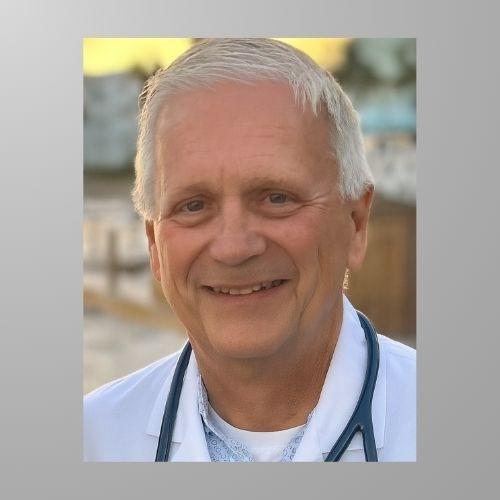
Dr. Charlie Barnett is a contributor to KnoxTNToday, where he writes the weekly column DocTalk, sharing his expertise in health and wellness.
Enjoyed this article? Read more DocTalk columns by Dr. Charlie Barnett.
Follow KnoxTNToday on Facebook, Instagram, X, and LinkedIn. Get all KnoxTNToday articles in one place with our free newsletter. Comments may be sent to news@knoxtntoday.com.




Thank you, Dr. Barnett, for explaining this great stuff so that even I can understand it. I always learn from your columns.
He always provides such good information for us.
Appreciate you, Charlie.
Yes! His insight is so valuable!