
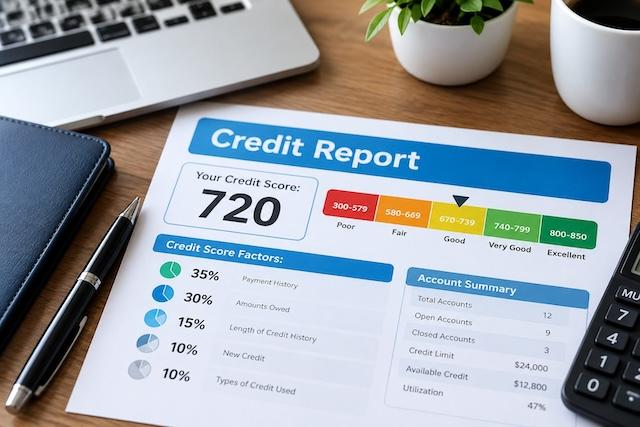
Your credit report may not be something you think about until you apply for a loan or credit card. But checking it regularly can be an important part of protecting both your finances and your identity.
A credit report contains information about your credit accounts, payment history and other activity reported in your name. Reviewing it gives you an opportunity to find mistakes — and potentially spot signs of fraud before they create bigger problems.
How often is enough?
For many people, reviewing their credit reports at least once a year is a good minimum. But checking more frequently can make sense, especially when identity theft and account fraud are concerns.
Consumers can obtain free credit reports from Equifax, Experian and TransUnion through AnnualCreditReport.com. Rather than checking all three at the same time, you can also spread your reviews throughout the year to keep a more regular eye on your credit history.
What should you look for?
Start with the basics. Make sure your name, addresses and account information are accurate. Then review the accounts listed on the report.
Look for credit cards or loans you do not recognize, balances that appear incorrect, payments wrongly reported as late, accounts that should have been closed and unfamiliar inquiries.
Not every error means someone has stolen your identity. Reporting mistakes happen. But an account you never opened deserves immediate attention.
Check before a major purchase
If you expect to apply for a mortgage, automobile loan or other significant credit, review your reports well in advance. That gives you time to dispute inaccurate information rather than discovering a problem while a lender is reviewing your application.
Remember that a credit report and a credit score are related but are not the same thing. Your report contains the underlying credit information; a credit score is calculated from information in that report.
Consider a credit freeze
If you are not planning to apply for new credit, a credit freeze can add another layer of protection. A freeze generally prevents prospective creditors from accessing your credit file to open a new account. You can temporarily lift the freeze when you legitimately need to apply for credit.
Freezes must be handled with each of the three major credit bureaus, and they do not replace the need to monitor existing bank and credit card accounts.
Make it a routine
Choose a schedule you will remember — perhaps at the beginning of the year, around your birthday or every few months if you prefer more frequent monitoring.
Checking your own credit report does not hurt your credit score.
Think of the review as a financial checkup. Most of the time, you may find nothing unusual. But when something is wrong, finding it early can save time, money and frustration.
Set a regular reminder in your smartphone to spend a few minutes reviewing your credit history. This small amount of time will deliver great value: confidence that the financial activity appearing in your name actually belongs to you.
Official resource: AnnualCreditReport.com is the federally authorized website for free credit reports.
First Horizon Bank is a leading regional financial services company, dedicated to helping our clients, communities and associates unlock their full potential with capital and counsel. It’s the powerful tools you need with the personal service you deserve. Contact First Horizon for all your banking needs.
Follow KnoxTNToday on Facebook, Instagram, X, LinkedIn and TikTok.
Get all KnoxTNToday articles in one place with our free newsletter. Comments may be sent to news@knoxtntoday.com.