
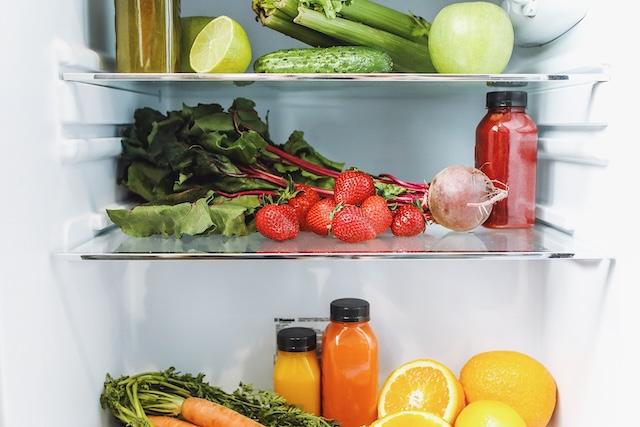
We have all done it. We buy a beautiful container of strawberries with the best intentions, only to discover a few days later that they have turned fuzzy. Or we reach into the refrigerator for lettuce and find something better suited for the compost pile than the salad bowl.
A few simple storage habits can help fresh fruits and vegetables last longer — saving food and money along the way.
Wait to wash
It may seem convenient to wash everything when you get home from the grocery store, but moisture can speed spoilage. USDA guidance recommends washing most produce just before you are ready to use it. If you do wash something before storing it, dry it thoroughly first.
When it is time to wash produce, use plain running water. The Food and Drug Administration does not recommend washing fruits and vegetables with soap, detergent or commercial produce wash.
Keep the refrigerator cold
Check the refrigerator temperature occasionally. The FDA recommends keeping it at 40 degrees or below. Strawberries, lettuce, herbs, mushrooms and other perishable produce belong in the refrigerator, as does anything purchased pre-cut or packaged.
Don’t pack the refrigerator so tightly that cold air cannot circulate.
Know what doesn’t belong in the refrigerator
Not every fruit or vegetable benefits from refrigeration. USDA guidance lists bananas, potatoes, sweet potatoes and dry onions among produce that should be kept in dry storage rather than refrigerated.
Store potatoes and onions separately in a cool, dry area rather than assuming the refrigerator is the best home for everything.
Give berries some breathing room
Berries are particularly vulnerable to moisture and mold. Keep them dry until you are ready to eat them, and take a quick look through the container when you bring it home. Remove damaged or spoiled berries before they have a chance to affect the rest.
Separate produce that doesn’t play well together
Some fruits produce ethylene gas, which speeds ripening. That is useful when you want fruit to ripen, but not so useful when neighboring produce begins deteriorating faster.
USDA recommends keeping ethylene-producing fruits away from produce that is sensitive to the gas when possible.
In other words, where you put produce can matter almost as much as whether
Everyday Genius will provide little tricks every week. Big wins.
Enjoyed this article. Read more Everyday Genius by KnoxTNToday.
Follow KnoxTNToday on Facebook, Instagram, X, and LinkedIn. Get all KnoxTNToday articles in one place with our free newsletter. Comments may be sent to news@knoxtntoday.com.