
This is a day in college athletics to remember forever.
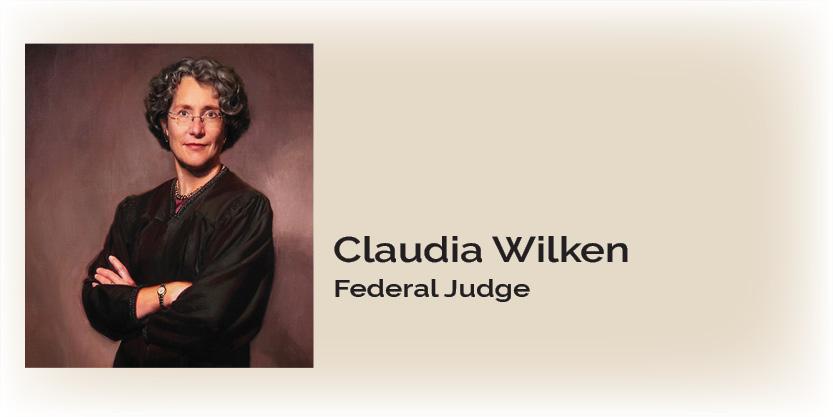
On this very day when the NCAA basketball championship is to be decided in San Antonio, Florida versus Houston, Judge Claudia Wilken, 75, of the Northern District of California will hog the headlines.
In downtown Oakland, Room 3 of the courthouse, she is to oversee a final fairness hearing about the massive financial agreement that officially transforms college sports from make-believe amateur to professional.
She picked the date. She wasn’t aware there was a basketball game.
In the beginning, the House versus NCAA lawsuit (Grant House, 26, former Arizona State honor student and all-American swimmer, was the leading plaintiff) was about allowing college players to earn what they could in addition to scholarships. The legal system threw open the doors. Five years later, what we have is classic revenue sharing, a colossal $2.8 billion handoff from schools that want big-time fun ‘n games to those who put on the show.
This is a really big deal, the official end of generations of NCAA hypocrisy. Maybe it was always about the money, illegal recruiting, free cars and payments under the table, but there was a time I thought most athletes were representing their school with genuine pride.
Perspective: I’ve been in post-game dressing rooms when players wept, as if their hearts were broken, because their team lost. And you thought all along it was just another business?
Now it is.
The new arrangement will include back pay for many who were limited to room, board, books and scholarships while coaches and administrators were collecting millions.
The NCAA hopes the treaty will also bring some order to previously uncontrolled name, image and likeness loot. “Order” is code for a salary cap. Fine print calls for a clearing house to establish “fair market value” for player endorsements and other services.
That should lead to very exciting differences of opinions.
NCAA president Charlie Baker has said that any NIL structure is better than no structure, better than the current wild, wild west. Some big spenders (think Ohio State) like it like it is.
From the NCAA perspective, the ideal spinoff would be federal laws providing control plus nice, friendly anti-trust protection. So far, Congress has been smart enough to avoid involvement.
The basic settlement calls for $22 million or so per year per school. A few thousand issues remain unresolved. We know football and men’s basketball teams will get most of that money. It is theirs. They earn it. They attract the big crowds and generate fortunes for television rights.
It’s too early to tell what happens to athletes who play sports that cost money instead of make money. Women’s basketball will get some. Golf, tennis, cross-country running and rowing are somewhere down the list. They may share nickels and dimes.
Hopefully, athletics directors and coaches will somehow find agreement on how to divide the riches. Be sure quarterbacks will be paid more than punters. Point guards and 6-11 centers will earn more than subs on the bench, even those with endless enthusiasm.
Attorneys are guaranteed winners. Other lawsuits are taking shape. Athletes have been told they should want a voice in all decisions. There is an undercurrent for turning players into employees and forming unions for bargaining power. There is a shocking idea that college athletes might actually have to pay taxes – like ordinary people.
Heaven help us if a team goes on strike at halftime.
Baker says college presidents are overwhelmingly in favor of the settlement as proposed – as a way out of the mess. Judge Wilken will hear disagreements and hopefully wrap it all up. There could be appeals. More than three thousand athletes have withdrawn from the deal on the belief they can negotiate more money on their own.
It appears Tennessee (as usual) is ahead of the scramble for funds to pay players. Months ago, while some schools were talking about dropping non-revenue sports, Dr. Danny White announced a 10 percent increase in UT ticket prices and explained it away as “talent fee.”
I heard a few customer grumbles but never saw even a hint of mass exodus. How could a loyal Vol fan decline such a noble cause as keeping an absolutely necessary cornerback from transferring to a greener playing field?
When a young receiver sought a raise, he got it. Nico needs receivers.
Indeed, White is a visionary. The big bill is coming due in July. The athletics director had no intention of asking his favorite bank for a loan. His move was a transparent coup. Before the first question, he told fans where the extra cash is going.
The punch line: If you want to win, this is the cost.
Marvin West welcomes comments or questions from readers. His address is marvinwest75@gmail.com


I agree with my friend Virgil. The NCAA brought it on themselves…and us. And the big-name colleges were co-opted to follow suit. The horses are out of the barn never to be herded back. It is now only a matter of degree of damage. I doubt they will ever be able to reign in the runaway debacle.
It was supposed to be about NIL. It went sideways from there; now Universities should just bypass the scholarship nonsense and hire a team. Use scholarships for some more deserving, where the education will be fruitful and appreciated. And if a paid player actually wants an education, deduct it from his “salary”. I’m about over all of it, and have been a UT fan for 50 years.
“Humpty Dumpty had a great fall. All the King’s horses….” College sports will never be again as (we thought) it was. Lest we grumble and want to point fingers, the NCAA and colleges did it to themselves. Coaches and administrators sold potato chips, had TV programs and played “the portal” for years. The NCAA built its bureaucracy and sat on their hands. Here we are. “…couldn’t put Humpty together again.” You just read as objective a summary on this subject as you will find.
College sports and lawyers/judges don’t mix well, but let’s put the blame where it belongs — us, the fans. It we had not made it so over-the-top important, we wouldn’t have 18-year-olds signing for millions and driving Lambos. We have met the enemy and it is us.
You prompt a revision: WE demanded too much but monitored too little.