
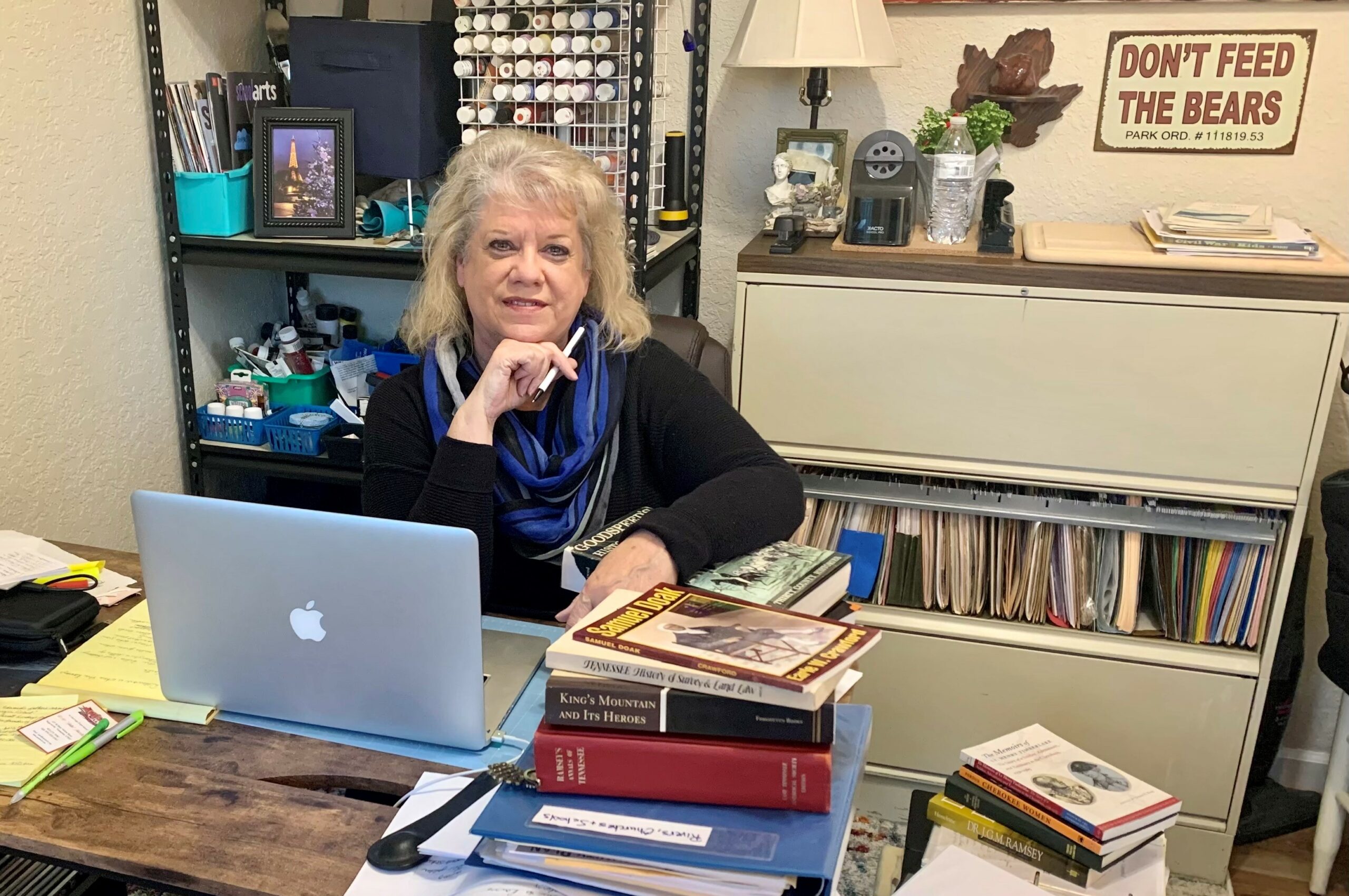
Dr. Swancey Kennedy (1844-1923), and his 40+ diaries give us a peek into the life of a physician who served the Fork, the lands between the French Broad and Holston rivers in Knox County. Like everything else I learn about this area’s history his entries change how I see the present.
My imagination allows me to envision a time gone by as I travel around roads in the Fork. And sometimes, I actually have a photo that can help me transport others back in time as well. Such is true for this entry from Dr. Kennedy’s diary on April 1, 1887: “I went to see Mrs. Sally Luttrell at Esq. Luttrell’s. She fell off the fence while in crossing, on her right hip and bruised it bad.”
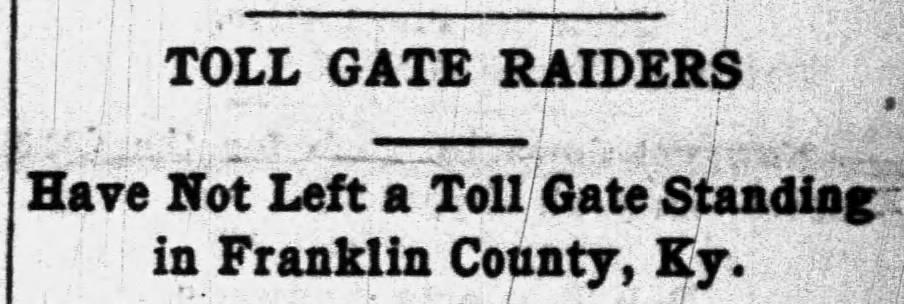
From the Journal and Tribune, 1896
Have you ever crossed from one field to another on a stile? Have you ever seen one? I doubt very seriously that Mrs. Luttrell fell off of a barbed wire fence or even a picket, a post and rail, or a stacked worm fence. I’d say she fell off a stile.
Today we walk distances for exercise. In Dr. Kennedy’s time, they sometimes walked for fellowship to a neighbor’s house or to church, and often they walked out of necessity to the store, the post office, or to the doctor to get medicine for a loved one. In those days, walking across the multiple fields of your farm in the Fork meant crossing from where you might have grown corn or wheat, etc., to where the cattle or other livestock were pastured or penned, and stiles meant you didn’t have to open and close a gate.
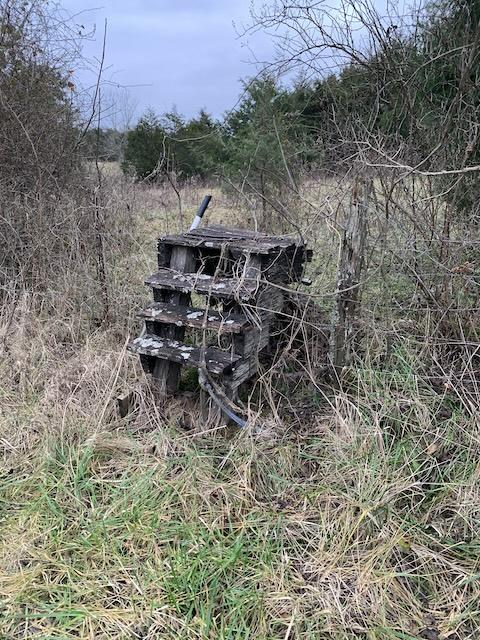
Fence stile for crossing between fields
Another thing to cross in the Fork that might cause you trouble in the 1880s would be a toll gate. At least that’s what W.A. Hipp found. He had evidently tried to forcibly cross without paying at the toll gate on Dandridge Pike, which ran toward Dandridge from Boyd’s Ferry and was what is now portions of Strawberry Plains Pike and Thorn Grove Pike. Yes, the use of toll gates or “turnpikes,” which were usually poles that had spikes or “pikes” protruding from them and were raised or turned to allow passage, are how Fork roads such as Ruggles Ferry Pike, Strawberry Plains Pike, and Thorn Grove Pike got the names we still use today. The ends of these roads toward Knoxville and closest to the Holston River (labeled Tennessee on the accompanying map) were originally called Armstrong Ferry Pike, Boyd’s Ferry Pike (later Boyd’s Bridge Pike), and Sand Branch Pike, respectively. When Mr. Hipp struggled with the gatekeeper, the gate pole hit Henry McCall, an elderly man. Dr. Kennedy wrote about attending the trial, where Hipp was charged with assault and battery.
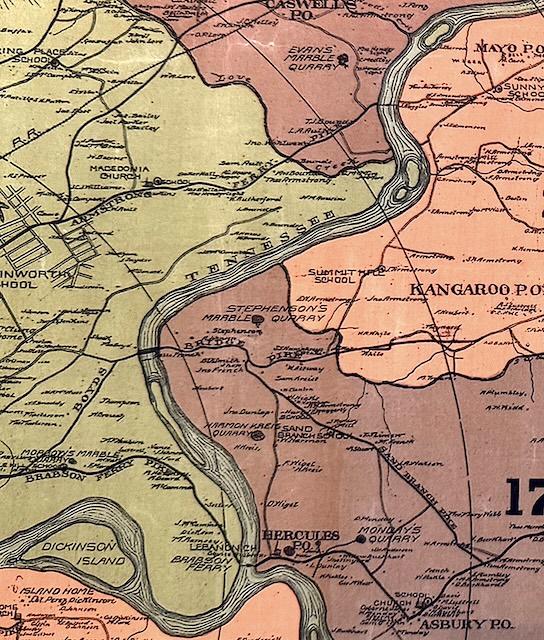
Brabson Ferry Pike on this 1895 map is now Asbury Road in the Fork. The river labeled Tennessee is the Holston.
Being a toll gatekeeper might not sound dangerous, but you’d be surprised at how many of them were robbed, shot, murdered, or otherwise assaulted and how many gates were destroyed by masked villains or just dynamited into oblivion elsewhere during the late 1800s. It was a thing. In Kentucky in 1897, toll gate raiders and the posses who chased after them kept the newspapers filled with wild-west-style drama.
In 1875, the Tennessee General Assembly had enacted regulation on privately or publicly chartered gravel or macadam roads leading from the country toward the city. The toll gates were positioned at “choke points,” such as a bridge or other narrow passage, that made it difficult for travelers to bypass paying the fee. Gatekeepers, who were paid about $25 a month, lived in little cottages beside the road and collected the money day and night, typically ten cents for a horse and rider, fifteen for a horse and buggy, but twenty if it was pulled by two horses and thirty if two horses or oxen pulled a wagon, and forty cents if four horses were used. Loose horses and mules cost three cents a head, cattle two cents, and hogs and sheep just a penny a head. No charge for an individual on foot or for a preacher or anyone going to or from church, a funeral, a mill, or to another of their own fields. Needless to say, a lot of lies were told to avoid a toll, whether about where the person was going or that he or she had no change to pay the toll and would pay on the return trip.
Unfortunately, some people would even tear down a farmer’s fence or open his gate and make another route to avoid the toll gate. Eventually, local government took over road maintenance. The last toll gates in Knox County between the French Broad and Holston rivers were removed just a few years after Dr. Kennedy wrote about Mr. Hipp and have been forgotten in the Fork.
Jan Loveday Dickens is an educator, historian, and author of Forgotten in the Fork, a book about the Knox County lands between the French Broad and Holston Rivers, obtainable by emailing ForgottenInTheFork@gmail.com.
Enjoyed this article? Read more of Jan Loveday Dickens’s stories about the people, places, and history that make the Fork community unique.
Follow KnoxTNToday on Facebook, Instagram, X, and LinkedIn. Get all KnoxTNToday articles in one place with our Free Newsletter. Comments may be sent to news@knoxtntoday.com.

