Among the more than 40 diaries of Dr. Swancey Kennedy (1844-1923), who was a physician in the Fork, the Knox County lands between the French Broad and Holston rivers, I found this short October 9, 1886, statement: “I went to Knoxville and took all the little fellows to a circus.”
Long before the days of “screen time” of any kind, back when children entertained themselves with dominoes, jump ropes, marbles, homemade toys, and games and adventures in the surrounding woods, fields, and creeks, a circus was a thrilling sight. And Phineas T. Barnum’s circus was considered the ultimate experience.
-
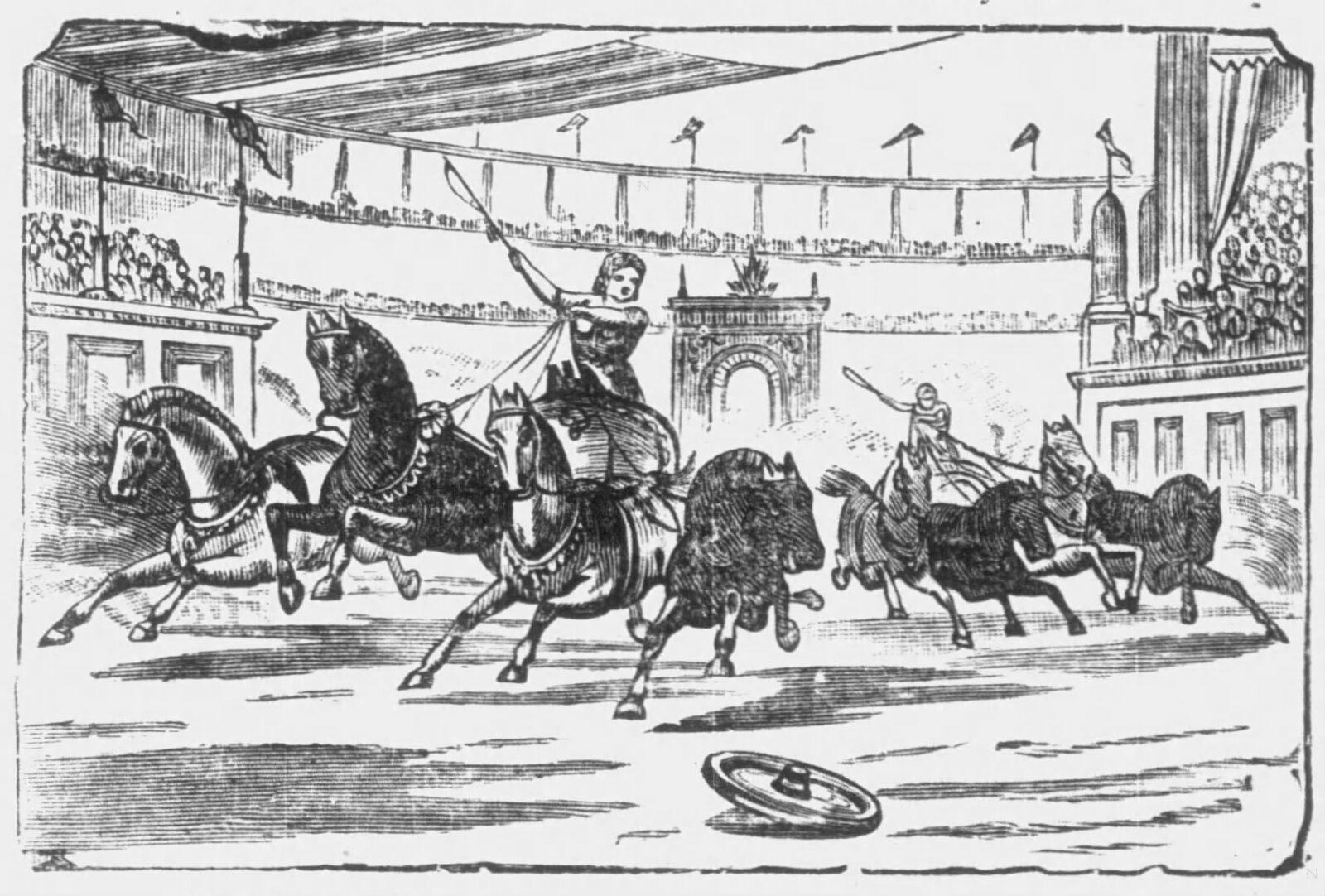
- Typical promotional illustration for P. T. Barnum’s Circus
-
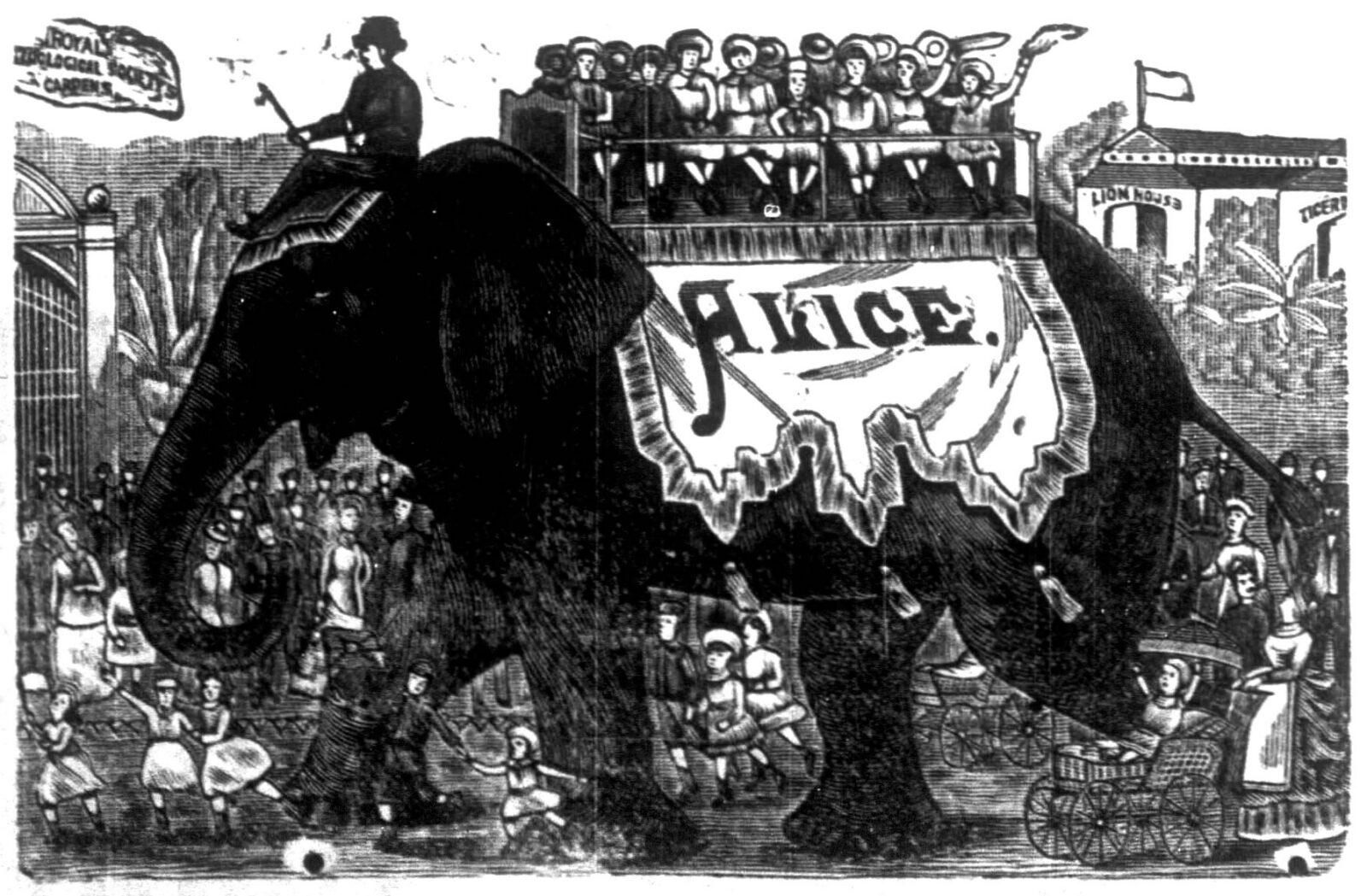
- Promotional illustration of Jumbo’s claimed companion Lucy, the female elephant which had been purchased by Barnum from London’s Zoological Gardens after Jumbo’s death
The Knoxville Journal and Tribune stated on October 3 of that year that the shows were, “all of such a high moral character, so truly phenomenal and marvelous, so instructing and amusing at the same time, as to receive the endorsement of the best-informed people everywhere. Judges, lawyers, doctors, politicians, scientists, ladies, children, and even the clergy uphold and visit these shows when they would not any other.”
I had some fun tracing down details of the event. Upon the circus entourage’s approach to the city, all the roads that led to Knoxville were packed, as families came in wagons, buggies, and carts and on horseback and on foot to see “the greatest show on earth.” People crowded along the tracks of the Knoxville and Augusta and along the Knoxville and Ohio railroads to see the circus train cars arrive. Then, the mile-long parade left the tracks at 8 in the morning and went up Gay and out Asylum streets. The crowd was estimated to be 15,000 on Gay Street between Main and Vine.
Combined with the Great London Four-Ring Circus, the show featured more than 300 artists, including exotic beauty Zula Zarah, touted as having been rescued from a Turkish sultan’s harem, and the famous bareback riders Orrin Hollis and Dallie Julian, known for turning somersaults on horses that sped around the 45-foot diameter circus ring. Other difficult and dangerous acts were performed by the Cardona family of trapeze artists, the Gilfort Brothers, who demonstrated balancing and acrobatic stunts, and the Stirk family, who performed bicycle antics on the elevated stage that measured 60 by 80 feet. Dog and horse races and tricks by trained pigs and goats also entertained the audience, while the Great Marimba Band provided percussion and xylophone music. Sadly, Jumbo the African elephant had been killed in a train accident just the year before in Canada, but his enormous skeleton was on display as part of the circus’s museum exhibit area.
So, for 75 cents (or 50 cents if they were under the age of 5), some kids from the Fork got to witness all that, along with lions, tigers, leopards, hyenas, camels, monkeys, and elephants, under the big tent on the old baseball fields west of Mechanicsville. Can you imagine the awe felt by the attendees, most of whom never had seen such spectacles except in books and magazines? Such a treat provided by Dr. Swancey Kennedy for “all the little fellows” would not soon be forgotten in the Fork.
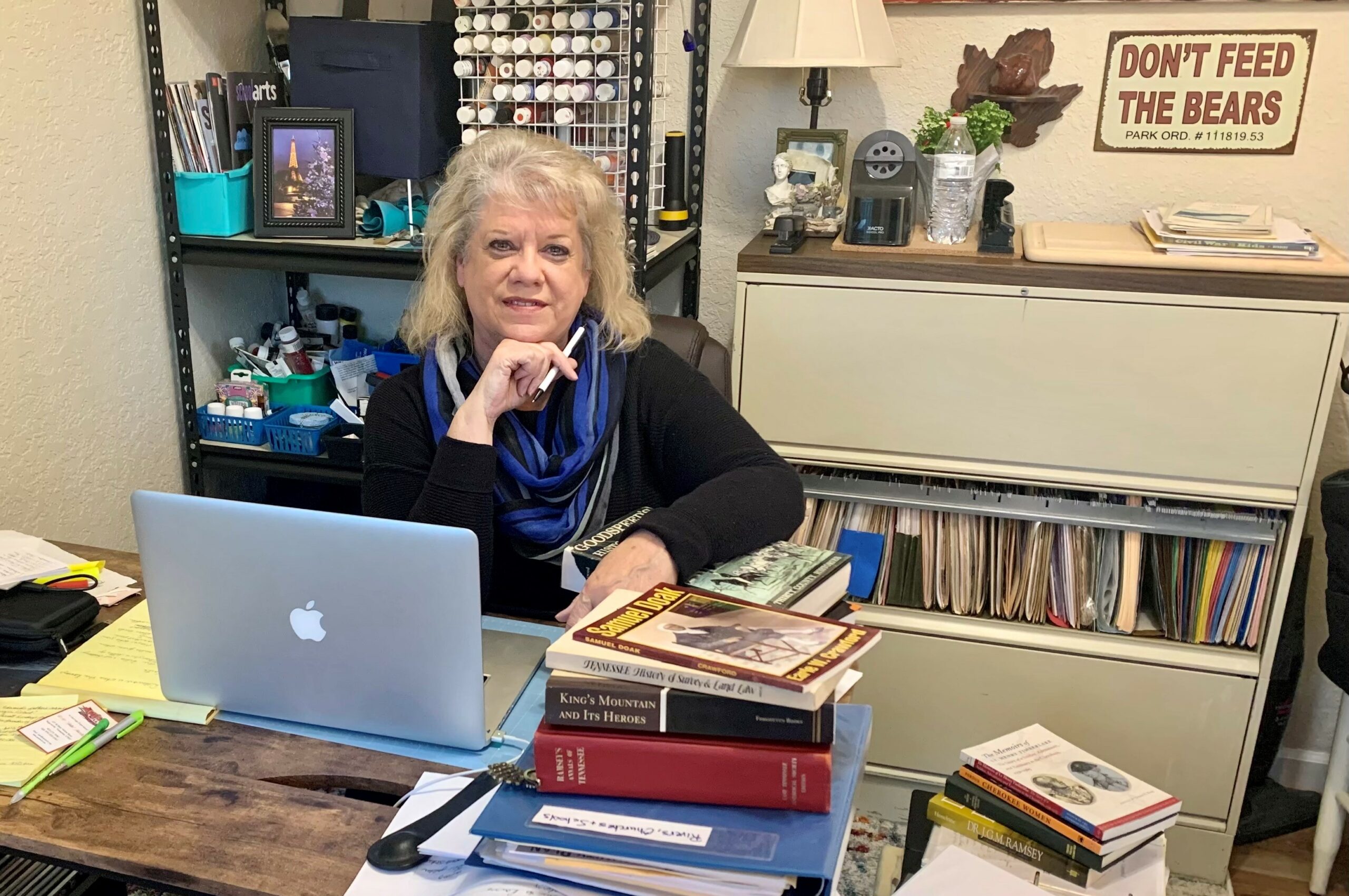
Jan Loveday Dickens is an educator, historian, and author of Forgotten in the Fork, a book about the Knox County lands between the French Broad and Holston Rivers, obtainable by emailing ForgottenInTheFork@gmail.com.
Enjoyed this article? Read more of Jan Loveday Dickens’s stories about the people, places, and history that make the Fork community unique.
Follow KnoxTNToday on Facebook, Instagram, X, and LinkedIn. Get all KnoxTNToday articles in one place with our Free Newsletter. Comments may be sent to news@knoxtntoday.com.



Love this descriptive piece Jan- I could feel myself under the big tent, wide eyed and amazed. The part about when we were kids and entertained ourselves is especially poignant. and meaningful in the sense that today imagination seems like something from the past.
I’m so glad you, too, felt what I did as I thought about what “the little fellows” experienced!