
As mentioned in last week’s column, approximately 83 million Americans have “Fatty liver”, medically called MASLD, which can progress to a scarred liver (fibrosis -the medical term is MASH), then cirrhosis, and finally death. This week, we will discuss the diagnosis of this condition, and, believe it or not, a gift from the Federal Government for those on Medicare.
The first step in the diagnosis is the FIB-4 test, which is a calculation based on your age, platelet count, and two liver enzymes called AST and ALT, that is commonly done with the blood work your doctor obtains. Based on the FIB-4 score, the patient would be classified either as low, intermediate, or high risk.
Patients with an intermediate- or high-risk score would undergo a test called FibroScan, a type of ultrasound that sends sound waves through the liver. The speed at which the sound passes through the liver is measured. The more fibrotic or cirrhotic the liver, the faster the sound travels. If that test is positive, usually a referral to a gastrointestinal or liver specialist is done.
There is only one specific treatment for MASH, which is, believe it or not, a drug that specifically activates a receptor for thyroid hormone. This receptor is also found in the liver, which, when stimulated, helps reduce liver fat and inflammation. Another treatment for both MASLD and MASH is simply weight loss. However, it’s much easier said than done.
To help with weight loss in the Medicare population, Medicare Part D just approved a pilot program that lets patients pay only $50 a month for the GLP-1 drugs Wegovy (both injectable and tablet forms), Zepbound (injectable only), and Foundayo (tablet form). This is quite a benefit as their usual cost can be hundreds to thousands of dollars per month.
However, there is a catch. Patients with a BMI (weight divided by height) greater than 35 automatically qualify. Those patients with a BMI greater than 27 but less than 35 must have at least one weight-related condition, such as heart failure, hypertension, chronic kidney disease, or pre-diabetes. Those patients with a BMI less than 27 or who are already taking these drugs for their diabetes do not qualify.
I know I sound like a stuck record, but prevention is far better than any treatment. Beginning a healthy diet and an exercise program as early as possible in life is one of the greatest things you can do for yourself and your family.
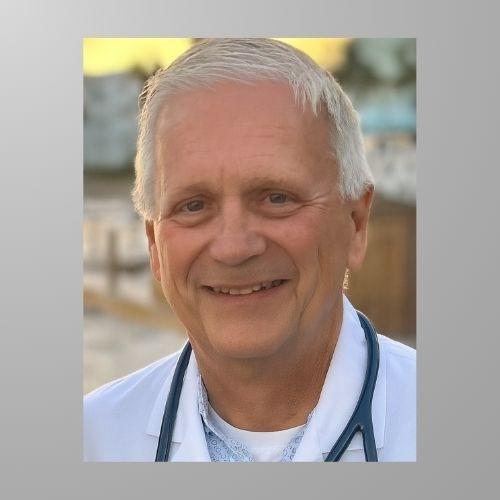
Dr. Charlie Barnett is a contributor to KnoxTNToday, where he writes a weekly column, DocTalk, sharing his expertise on health and wellness management.
Follow KnoxTNToday on Facebook and Instagram. Get all KnoxTNToday articles in one place with our Free Newsletter.

