
I nearly jumped clean out of the shower last night when I heard a crash that sounded like a car had hit my house. Or that my 14-pound cat, Sam, had somehow managed to topple the refrigerator. As it turned out, it was just thunder. I was skeptical until I peeked out the window to see that the thunder was accompanied by actual rain.
I’m sure some of you have experienced the same frustration I have for days: seeing promising looking clouds roll in, hearing the clap of thunder in the distance, then watching it roll on by producing nary a drop to quench a garden’s thirst. We’ve been in a whirl of 90-plus degree days with 100-plus heat indexes, and today we’re in the middle of another dangerous heat warning. At least we have air conditioning, municipal water and spigots.
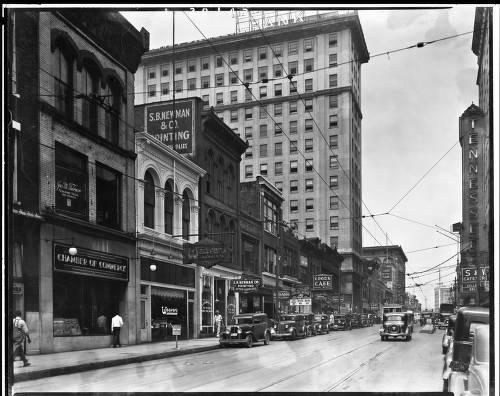
Though the record high temp for Knox County was recorded in 2012 – 105 on July 1 – the hottest summer, by my definition of days 90 and up, was 1936. To be sure, the record number of days at 90 or more included the last half of spring and ran into first day of fall. There were 78 days that reached the mark or more (2010 ranks second with 77, and 2016 is third with 76).
The cruelty of the heat was only matched by an extended drought (or drouth as it was commonly spelled in old newspapers). From May 1 through September 30, Knox County received 14.3 inches of rain, less than three inches averaged across the five months. And 6.16 inches of that came over the course of five days from the end of June through early July, with the bulk of it, almost five inches, falling on July 3.
The country and the world were in the grip of the Great Depression. While Tennessee didn’t suffer from drought to the extent of the Dust Bowl states west of the Mississippi River, by that 4th of July, crops and livestock in the were in dire straits. And those failures and shortages would only increase prices on goods for those who could barely afford them. But relief was coming thanks to President Franklin D. Roosevelt, to provide subsidies for crop farmers and forage for livestock who’d cleaned up every last blade of grass or hay well before the rains of that July arrived. The advice to farmers was to plant then and there since some rain had come and pray for a decent fall crop.
One good bit of news for the area was that manufacturing jobs were on the uptick and that 2,000 people had come off the local welfare rolls. Lake Ottosee at Chilhowee Park was replenished by the rain and city water just in time for Independence Day celebrants. It would be October before any real break from the persistent heat of that summer arrived.
Be safe out in the heat today and every day. I hope you got some rain.
Beth Kinnane writes a history feature for KnoxTNToday.com. It’s published each Tuesday and is one of our best-read features.
Sources: The Knoxville Journal digital archives, National Weather Service archives, Library of Congress
Follow KnoxTNToday on Facebook and Instagram. Get all KnoxTNToday articles in one place with our Free Newsletter

